
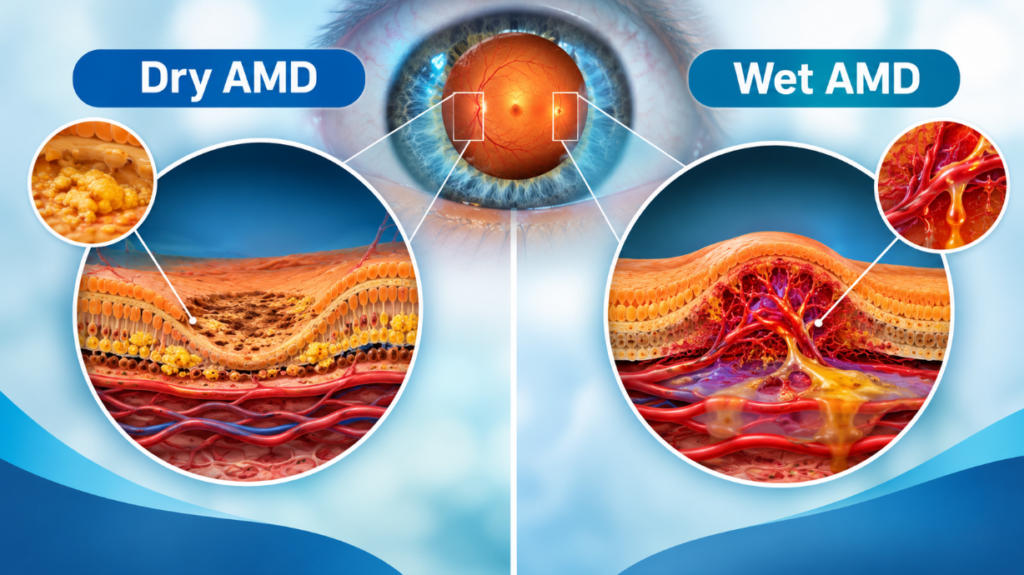
As the leading cause of irreversible vision loss in people over 50, recognizing Macular Degeneration Early Signs is paramount, turning this guide into a critical resource for prevention, proactive management, and understanding effective treatment options. Macular degeneration, also known as age-related macular degeneration (AMD), is one of the leading causes of vision loss in people over 50. Learn more about other the 5 most common eye problems and how to prevent them. It affects the macula, the central part of the retina responsible for sharp, detailed vision. While AMD does not cause complete blindness, it can significantly impact daily activities such as reading, driving, and recognizing faces.
| Early Sign / Symptom | What You See or Feel | Primary AMD Type | Action Required |
| Wavy Lines (Metamorphopsia) | Straight doors or lines look curved | Dry & Wet AMD | Immediate Amsler Grid & Eye Exam |
| Central Blur (Scotoma) | Dark or empty spot in central vision | Progressive Dry / Wet | Retinal OCT Scan & AREDS2 Test |
| Faded Color Perception | Colors appear dull or less bright | Early Dry AMD | Increase Lutein/Zeaxanthin Intake |
| Sudden Vision Drop | Rapid decrease in fine-detail focus | Wet AMD (Neovascular) | Urgent Anti-VEGF Injection Therapy |
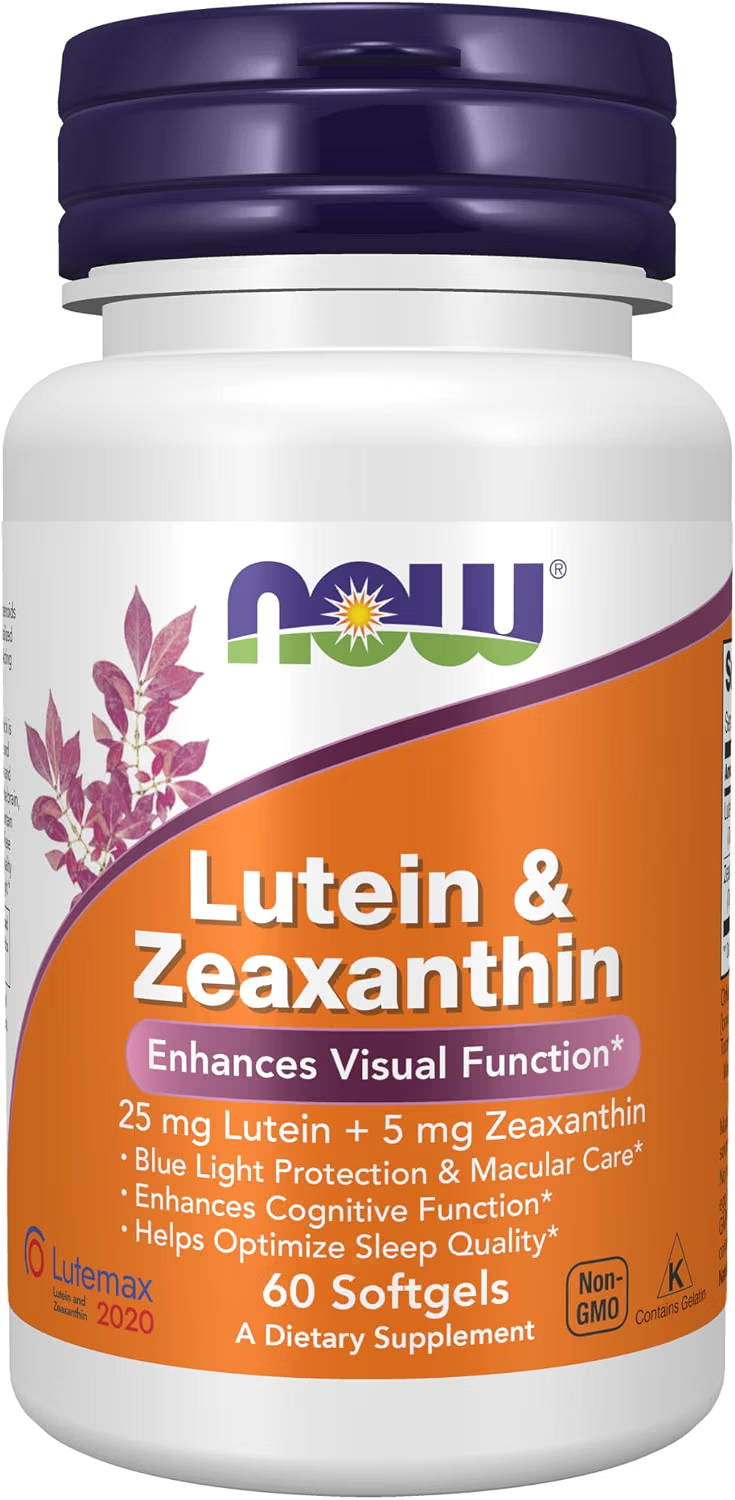
NOW Foods Lutein & Zeaxanthin
Supports macular health, blue light protection & visual performance.
- 25 mg Lutein + 5 mg Zeaxanthin
- Enhances visual function
- Helps with screen-related eye strain
🔎 Understanding the Types and Macular Degeneration Early Signs
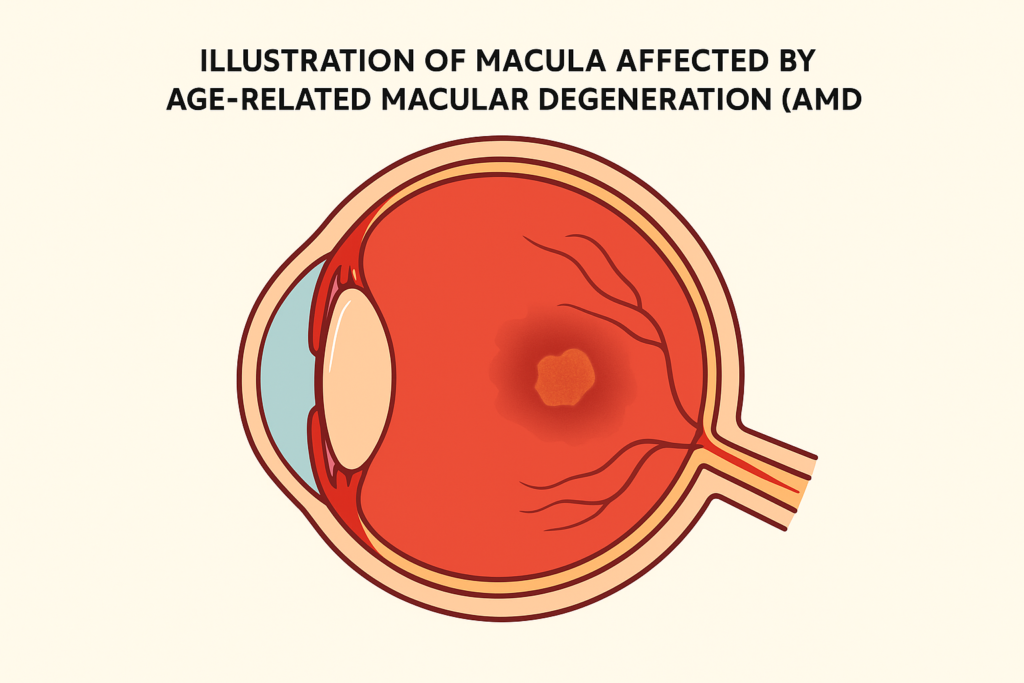
There are two main types of AMD:
- Dry AMD (Atrophic) – This is the most common form, where the macula gradually thins over time.
- Wet AMD (Neovascular) – Less common but more severe; abnormal blood vessels grow under the retina and leak fluid or blood, causing rapid vision loss.
How to Identify Macular Degeneration Early Signs
Detecting Macular Degeneration Early Signs often starts with an Amsler Grid test. If you notice straight lines becoming wavy, you are witnessing one of the primary indicators of AMD.
1. Distorted Central Vision
One of the most common Macular Degeneration Early Signs is a “blur” in the very center of your gaze. While your peripheral vision remains intact, reading or recognizing faces becomes a challenge.
2. Dark Spots (Scotomas)
A hallmark of Macular Degeneration Early Signs is the appearance of a dark or empty spot in your central field of vision that doesn’t go away.
👁️ Early Signs and Symptoms
The first signs of macular degeneration can be subtle, which makes regular eye exams crucial. Common symptoms include:
- Blurry or fuzzy central vision
- Dark or empty spots in the center of vision
- Difficulty recognizing faces
- Straight lines appearing wavy or distorted (Amsler grid test can detect this)
- Reduced brightness of colors
🛡️ Risk Factors
Several lifestyle and genetic factors can increase your risk of developing AMD:
- Age (most common in adults over 50)
- Family history of AMD
- Smoking
- High blood pressure
- Obesity
- Poor nutrition (low in antioxidants and omega-3s)
- Prolonged sun exposure
🌱 How to Prevent Macular Degeneration Early Signs from Progressing
While there is no guaranteed way to prevent macular degeneration, the following habits can lower your risk:
- Eat a nutrient-rich diet – Leafy greens (spinach, kale), carrots, berries, and fish rich in omega-3 fatty acids.
- Quit smoking – Smoking doubles the risk of AMD.
- Maintain a healthy weight – Obesity contributes to faster disease progression.
- Protect your eyes from UV light – Wear sunglasses with 100% UVA/UVB protection.
- Exercise regularly – Supports healthy blood circulation to the eyes.
- Control chronic conditions – Especially hypertension and diabetes.
The preventative measures for AMD are strongly backed by evidence. The composition and efficacy of the recommended vitamin and mineral regimen are based on the definitive, large-scale clinical trials known as the Age-Related Eye Disease Studies (AREDS and AREDS2) published by the National Eye Institute .
💊 Treatment Options
While there is no cure for AMD, several treatments can help slow progression and preserve vision:
- AREDS2 Supplements – A mix of vitamins C, E, zinc, copper, lutein, and zeaxanthin shown to reduce the risk of advanced AMD.
- Anti-VEGF Injections – Medications like Lucentis or Eylea that block abnormal blood vessel growth in Wet AMD.
- Laser Therapy – Sometimes used for abnormal blood vessels.
- Low Vision Aids – Magnifying lenses and special glasses can help maintain quality of life.
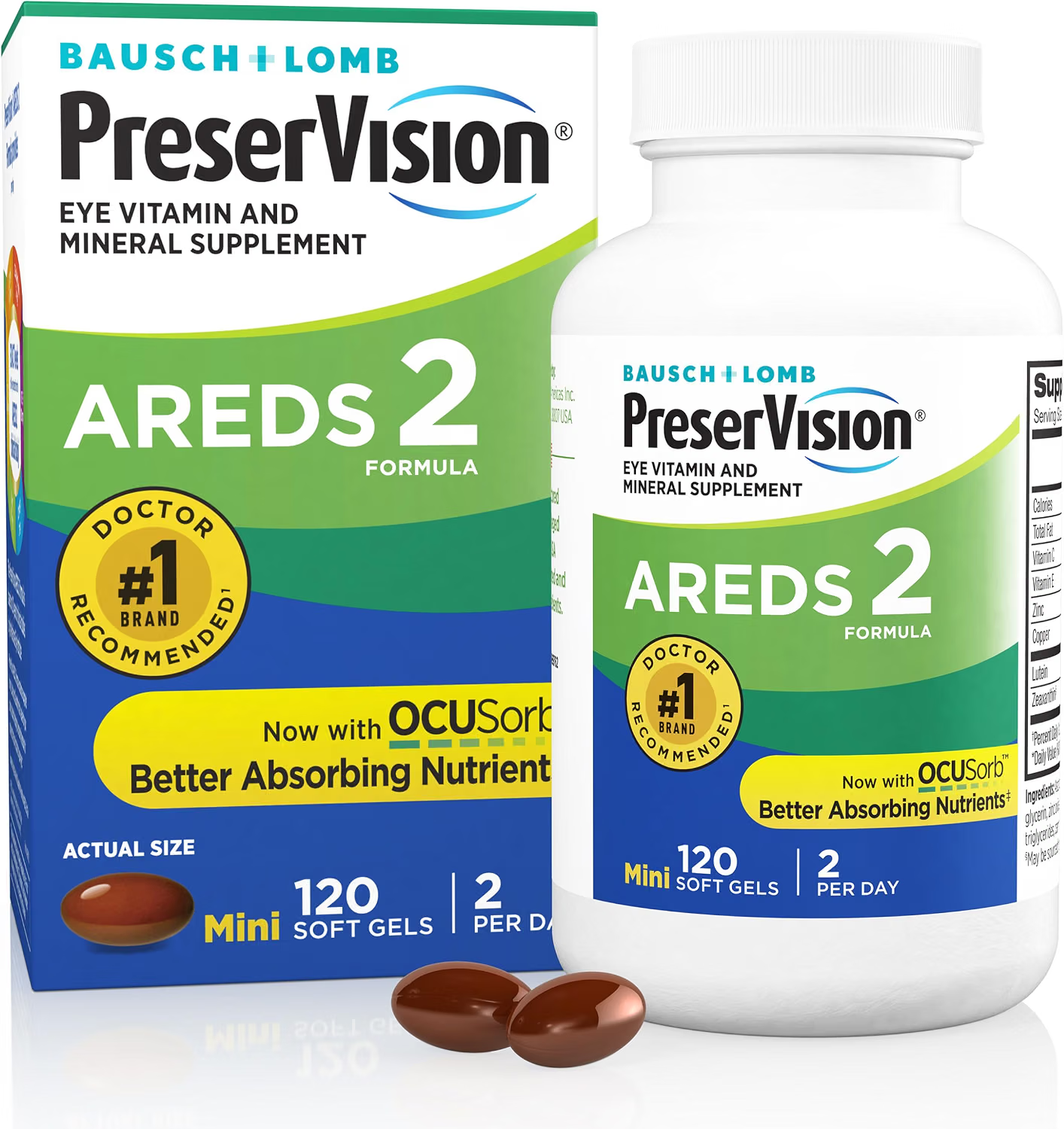
PreserVision AREDS 2
The #1 doctor-recommended supplement based on the National Eye Institute’s AREDS2 study. Proven to reduce the risk of vision loss progression by 25%.
❓ Frequently Asked Questions (FAQ)
1. Can macular degeneration be cured?
No, there is currently no cure for AMD. However, treatments such as anti-VEGF injections, supplements, and lifestyle changes can slow down progression and help preserve vision.
2. What are the first warning signs of AMD?
Blurry central vision, wavy or distorted lines (detected with an Amsler grid), and difficulty recognizing faces are common early signs.
3. Who is most at risk of developing AMD?
People over 50, smokers, individuals with a family history of AMD, and those with poor diets or chronic conditions (like hypertension) have a higher risk.
4. How often should I get my eyes checked for AMD?
Adults over 40 should have regular eye exams every 1–2 years, and those with risk factors should get annual check-ups.
5. Can diet really help prevent AMD?
Yes. A diet rich in leafy greens, colorful fruits, and omega-3 fatty acids can reduce risk. Supplements such as AREDS2 are also proven to support eye health.
6. Is macular degeneration the same as cataracts or glaucoma?
No. AMD affects the macula (central vision), while cataracts cloud the eye’s lens and glaucoma damages the optic nerve. They are different conditions.
7. Can I go blind from AMD?
AMD does not usually cause total blindness, but it can severely reduce central vision, making daily activities like reading and driving difficult.
✅ Conclusion: Taking Action Against Vision Loss
Spotting Macular Degeneration Early Signs before permanent cellular damage occurs is the single most critical factor in preserving your central sight and daily independence. Age-related macular degeneration often develops silently, but waiting for noticeable central blurriness, dark spots, or distorted lines before taking action can mean missing the most effective window for treatment. While genetic factors and aging remain outside your control, your daily habits, diet, and proactive monitoring play a massive role in changing the trajectory of your retinal health.
Protecting your macula requires a comprehensive, multi-layered approach. By integrating clinical AREDS2 nutritional supplements, maintaining a diet rich in lutein and omega-3 fatty acids, wearing UV-blocking eyewear, and strictly avoiding tobacco smoke, you build a strong defense against oxidative stress in the retina. Furthermore, conducting simple weekly checks at home with an Amsler grid allows you to catch subtle visual shifts early.
Do not leave your vision to chance. Schedule regular dilated eye exams with your eye care specialist, especially if you are over the age of 50 or have a family history of retinal conditions. By recognizing Macular Degeneration Early Signs promptly and implementing evidence-based eye care protocols, you can effectively safeguard your visual clarity, protect your central field of view, and maintain your quality of life for years to come.
A Note from the Founder
"I started CVT because eye health is personal to me. After losing sight in my left eye due to a childhood injury and managing high intraocular pressure for decades, I’ve dedicated my life to finding the best ways to protect the vision we have. Every piece of advice on this site is researched with that same level of care and responsibility. Thank you for being here."